ABOUT FEE FEE BAPTIST CHURCH
We have been connecting people to the gospel for over 200 years, and we are just getting started
Our Story
History of Fee Fee
Two hundred years ago Bridgeton was a land of rolling hills, forests, prairies, springs and rivers. A swamp was where Lambert – St. Louis International Airport is today. Deer and buffalo grazed in the fields while fish and otters swam in the rivers. The land was beautiful and fertile.
Native Americans had lived here for hundreds of years. One of their camps was in Bridgeton’s Matthews Park. Native American pottery and arrowheads may still be found in the Bridgeton area.
The first white people who came here were French. One of them was Nicholas Beaugenou, Jr. Nicholas was known to his friends as Fifi. Americans spelled his nickname the way it was pronounced, “Fee Fee”.
St. Ferdinand was the nearest settlement at the time. Today it is part of the city of Florissant. One Sunday in August 1793 seven people left St. Ferdinand to pick wild plums. Two Native Americans named Red Cedar and Turkey Foot attacked them. Mrs. Riviere and 10 year old Elizabeth Creely escaped by hiding in bushes but the others were killed.
The next year William Owen built a fort for protection. Because of nearby cottonwood trees and swamps his settlement was called Marais de Liards. The name was later changed to Bridgeton.
Most of the early homes were built French style with the logs set on their ends. Most pictures show log cabins built English style with the logs laid horizontally.
Although Spain owned the land west of the Mississippi many Americans settled there. Some of these people were Baptists. They included the Musick, Sullen, Williams, Richardson, Martin, Link, Sullivan, Hildebrands and Howdershell families. Since Spain only allowed Catholic worship, the Baptists were not allowed to worship or form a church.
In the spring of 1798, John Clark came to the Bridgeton area from Illinois to hold Protestant worship services. This was done secretly since it was against Spanish law.
The United States purchased the land west of the Mississippi River in 1803. People here could now worship as they pleased. Thomas Musick, a pastor in Illinois, moved here when he heard about the purchase. In 1807, he and several families formed a Baptist church on the banks of Fee Fee’s creek.
The Early Years
St. Louis became part of the United States after the Louisiana Purchase in 1803. Over half of the population was infidels who boasted that the Sabbath had never crossed the Mississippi and never would. The first Baptist ministers came to Missouri as foreign missionaries to work among the heathen.
In 1807 the Rev. Thomas Musick and a small group of friends met in a home near Fee Fee’s Creek. There they organized a Baptist church. The church met in the homes of members until 1815. That year they built a log house to meet in. Although the pews did not have backs, the people still though that they were comfortable.
In 1830, the log building was replaced by a brick building located on the road from St. Louis to St. Charles. If you go to the Fee Fee Cemetery, you can see this building. This building was shared with Presbyterian and Methodist churches who, with the Baptists, took turns leading the services.
During the 1860s, when most roads were made of dirt, a portion of the road to St. Charles was relocated and paved with rock . This road is still called the St. Charles Rock Road. The intersection of this road with Fee Fee Road became the center of a growing community later know as Pattonville.
The church needed a new meeting house, and they decided to build it on the new road. Erastus Post, one of the church’s deacons, donated land for the building. The new building, which today is called the Chapel, was completed in 1870. The building was in a grove of oak trees, some of which were over a hundred years old. A fence to keep out cattle surrounded the property, and there was an outhouse behind the building.
The Middle Years
In 1875 John Luther became pastor of the church. His 16 year old daughter Anne taught a girl’s class in Sunday School and played the church organ. Anne felt that God was calling her to be a missionary. After the family moved to Texas, Anne married a young preacher named William Bagby. Anne and William became the first Baptist Missionaries to South America.
The late 1800s and early 1900s were difficult years for the church. Conditions improved in 1919 and the church was able to call a full time pastor.
This was still a farming area in 1930, but people were starting to build homes here. The church was growing and more space was needed. During 1948 a new building was constructed behind the chapel.
Recent History
In 1958 a large three story building was completed. The second and third floors were used for education space while the ground floor was used as a “temporary” auditorium for 17 years.
During the late 1950s and early 1960s, Fee Fee helped established the First Baptist Church of Harvester and Villebrook Baptist Church.
In 1975, a new building containing worship and education space was completed and the “temporary” worship space was converted to preschool space.
The Rev. Wallace Jones, pastor emeritus, served as pastor of Fee Fee Baptist Church for 35 years, from late 1959 until 1994. The only pastor to serve as long was founding pastor Thomas Musick who served from 1807 until late 1842.
The Rev. Randall Fullerton was called as pastor in 1996 and served as pastor of Fee Fee Baptist Church until October 29, 2017.
The Rev. Zach Crook was called in January 2019 as Senior Pastor of Fee Fee Baptist Church, where he served until 2022.
The Rev. Britton Carter was called as the most recent Senior Pastor of FFBC in May 2024.
What We Believe
TIER 1 – ESSENTIALS
The Scriptures | The Bible is God’s revelation of Himself to humanity. It is entirely trustworthy and true, and is the basis for all Christian belief and practice.
God | There is only one true God. He is the creator of all things, worthy of all our love and obedience. God is triune, existing as Father, Son, and Holy Spirit.
- God the Father | God the Father is all powerful, all knowing, and reigns over the universe.
- God the Son | Christ is the eternal Son of the living God and the savior of the world through His death and resurrection. In His incarnation, He was conceived of the Holy Spirit and born of the virgin Mary.
- God the Holy Spirit | The Holy Spirit is the Spirit of God, fully divine. He exalts Christ, convicts the world of sin, calls people to the Savior, awakens people from death to life, and empowers the church through spiritual gifts.
Humanity | Men and women are the special creation of God, made in His own image. Each person is alienated from God because of his or her sin, requiring the grace of God for salvation.
Salvation | Salvation is offered freely by the blood of Jesus to all who accept Him as Lord and Savior through faith. Salvation cannot be earned. Just as we cannot earn our salvation through our works, we cannot lose our salvation by our works.
Last Things | Jesus Christ will return to earth to defeat the Devil once and for all and to separate those who trust in Him from those who don’t. Those who trust in Him will receive eternal life in His kingdom, while those who don’t will spend eternity in Hell.
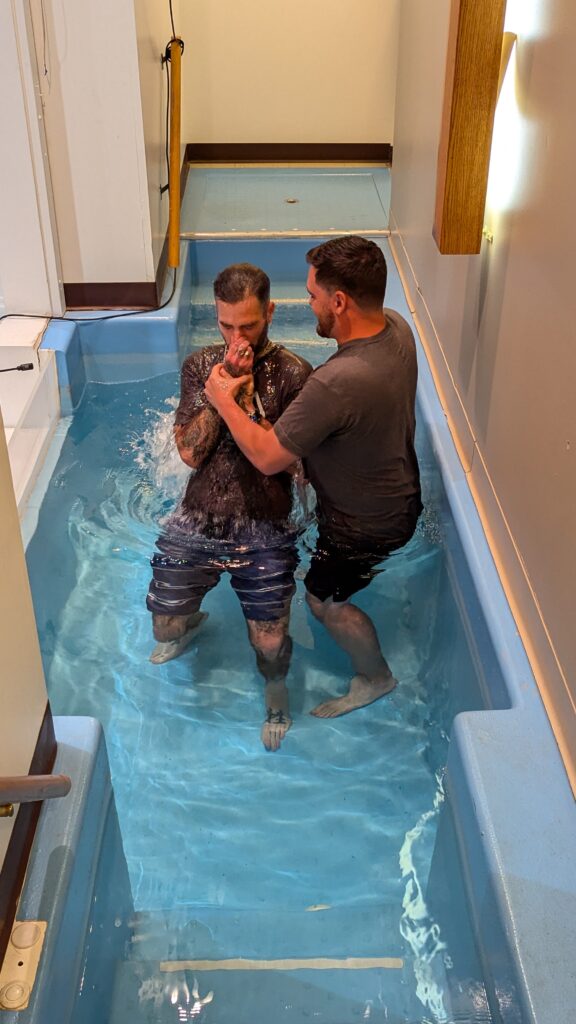
Baptism | Christian baptism is immersion in water as an act of obedience symbolizing the believer’s faith and new life in Christ.
TIER 2 – CONVICTIONS
The Church | A New Testament local church consists of believers, united in the gospel of Jesus Christ, empowered by the Holy Spirit, and led by biblically qualified leadership elected through democratic processes. A biblical church observes baptism and the Lord’s Supper, grounds their beliefs and practices on prayer and Scripture, and takes the gospel to the ends of the earth.
The Lord’s Supper | The Lord’s Supper is a symbolic act of obedience whereby believers collectively partake of bread and juice/wine to memorialize the death of Jesus and anticipate His second coming.
Evangelism and Missions | Since Jesus Christ is the rightful king over all people, every Christian should seek to connect people to the gospel in their community and around the world.
Stewardship | Everything we have is a gift from God. Therefore, Christians should contribute of their time, talents, and money cheerfully and regularly for the advancement of God’s kingdom.
The Christian and the Social Order | All Christians should seek to make the will of Christ supreme in their own lives, and to promote truth, righteousness, and brotherly love throughout society. Ultimately, social transformation is only permanently helpful when we connect people to the power of the gospel.
The Family | God designed the family as the foundation of society. Marriage is a lifetime commitment between one man and one woman that models the relationship that God has with His people. Parents’ primary task is to lead their children to trust in Christ and to guide them in God’s ways. Children are to honor and obey their parents.
For a more comprehensive look at what we believe, check out the long-form version of our statement of faith.
Our Mission
Connecting people to the unifying and life-transforming power of the gospel
Our Values
Engaging
Worship
Transformational
Relationships
Scripture-Centered
Discipleship
Member-Led
Ministry
Intentional
Outreach
Prayer-Powered
Action
Our Leadership
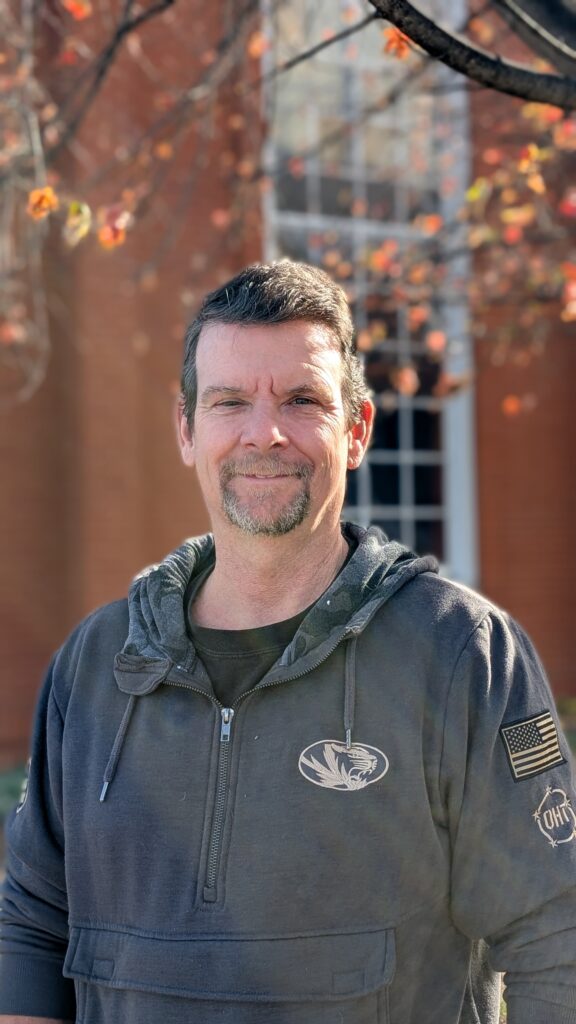
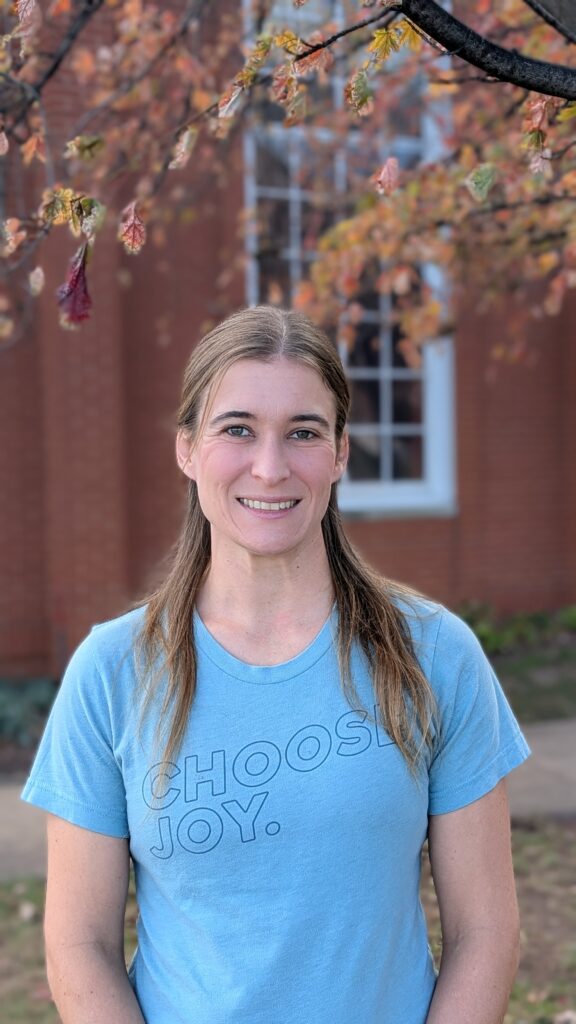
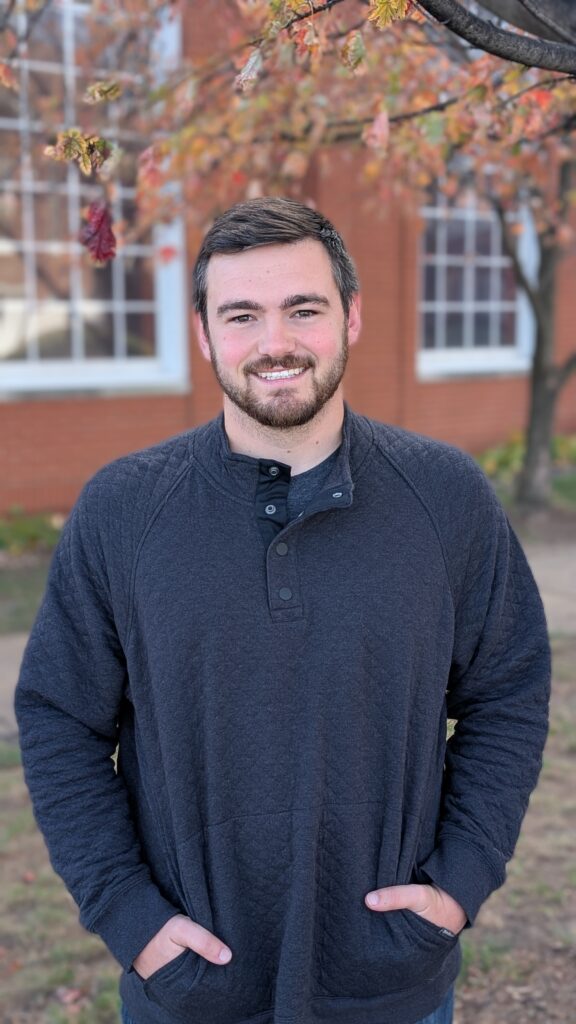
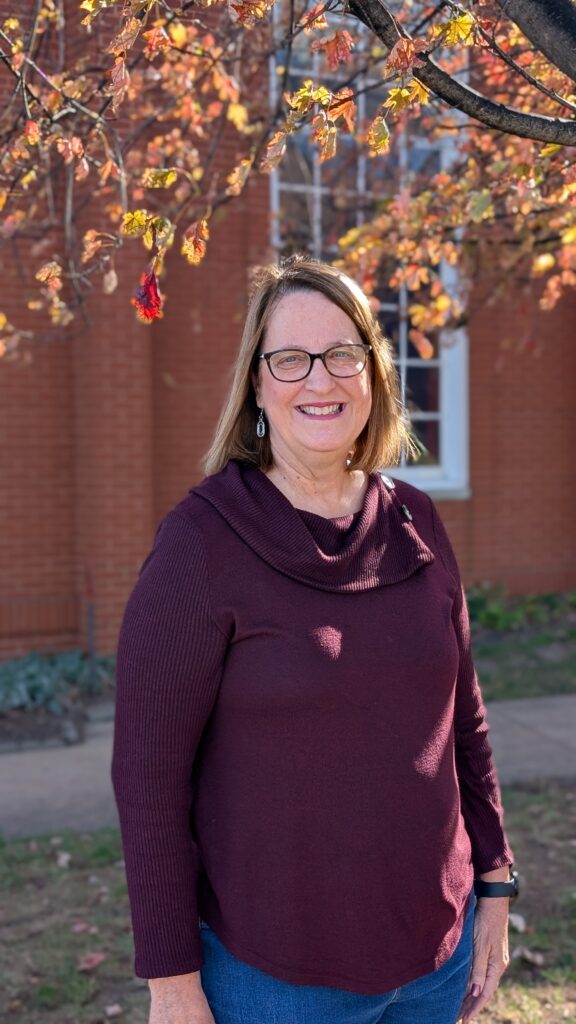
Andrea Jennings
Administrative Assistant

Scott Knepper
Interim Youth Director
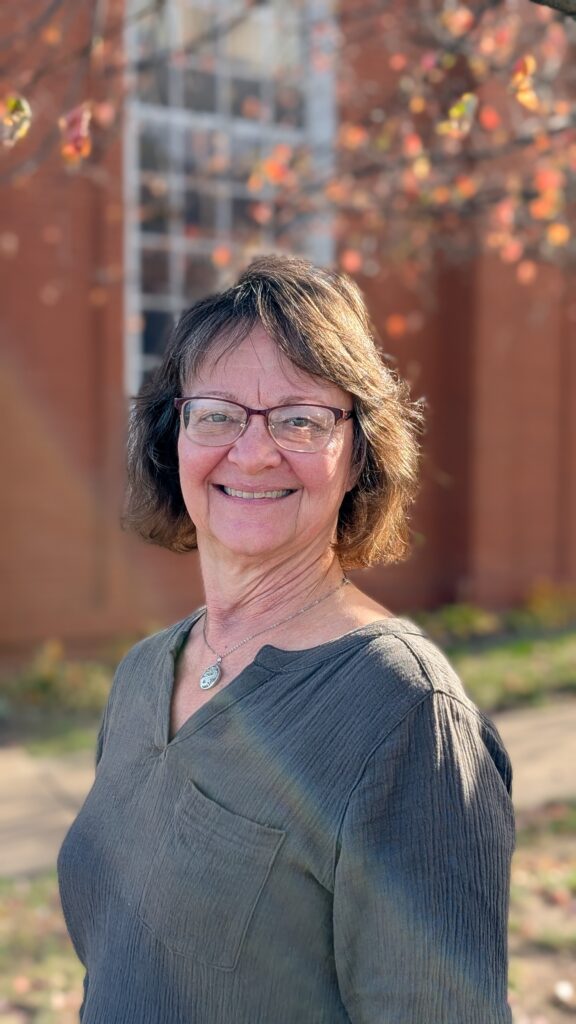
Kim Lewis
Financial Accountant
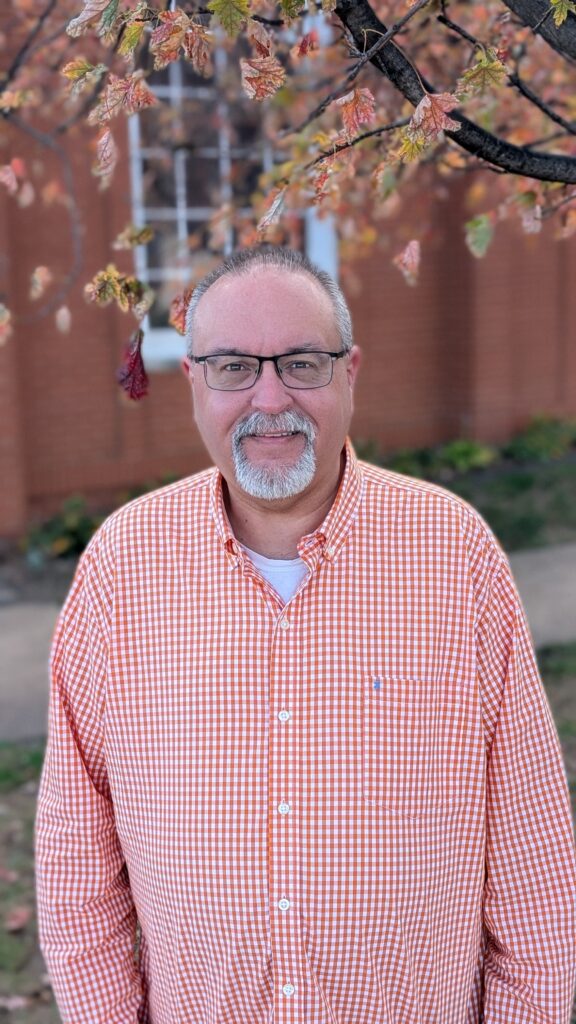
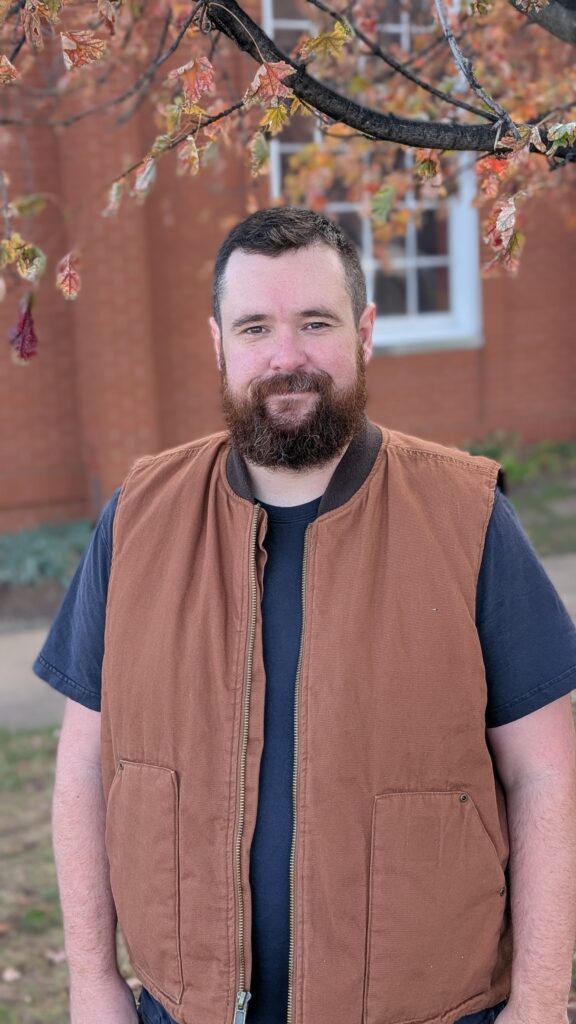
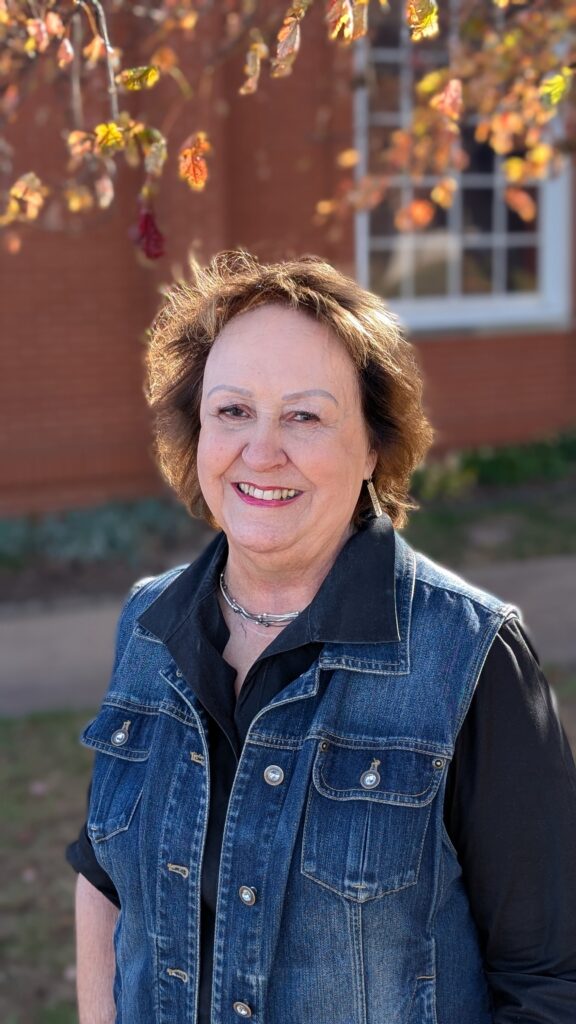
Ronna Paden
Director of Music
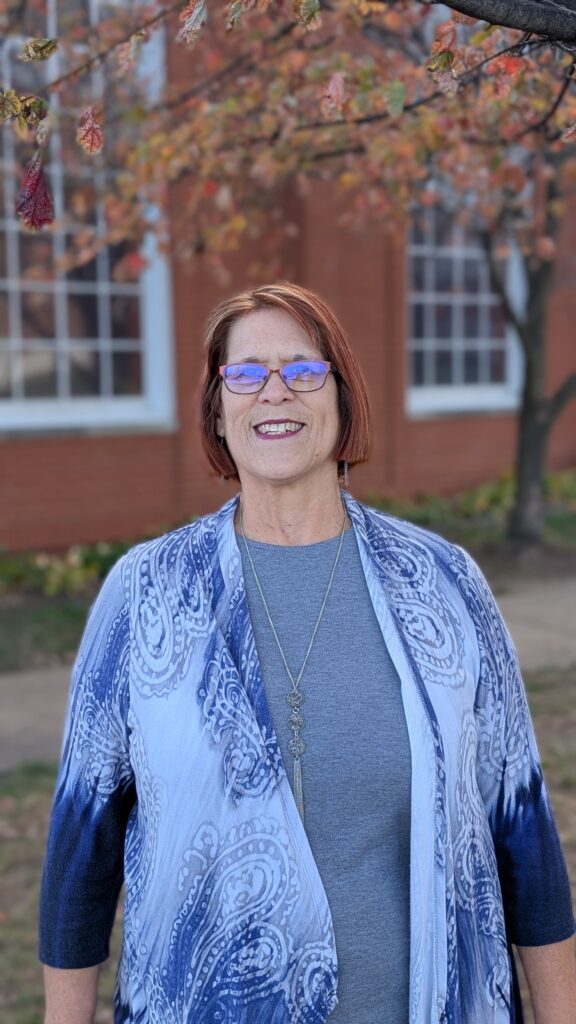
Kathy Scott
Director of Senior Adults and Care Ministries
Lee Shaw
Custodian
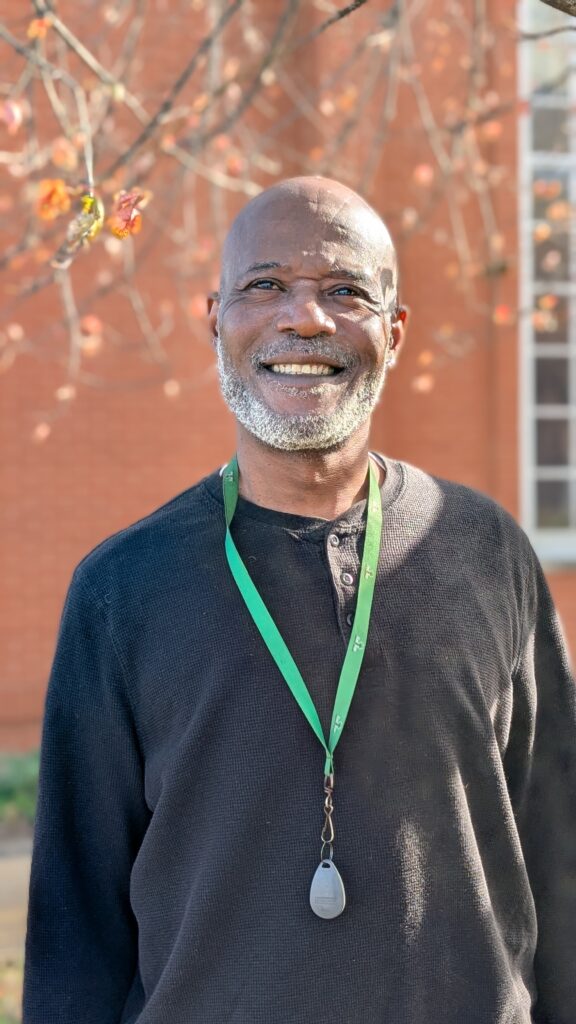
Ray Williams
Custodian
Join Our Team
NextGen Pastor